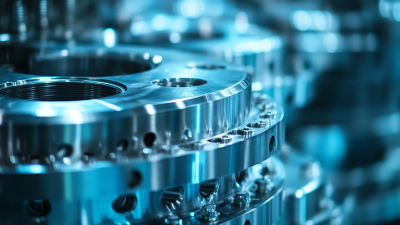
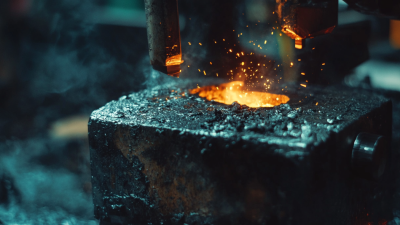
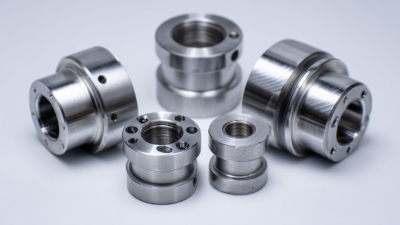
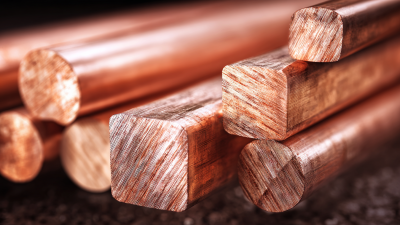
So, at the upcoming 139th Canton Fair, everyone's gonna be talking about the Cold Forging Process. It's definitely gonna be one of the main highlights, catching the eye of both industry experts and buyers. This manufacturing method is pretty impressive—it’s efficient and helps save on materials, which is why it’s really gaining ground. If you check out Market Research Future’s report, they say the global cold forging market is expected to grow around 4.3% each year up till 2026. That just shows how much demand there is for high-strength parts, especially in sectors like Automotive and electronics.
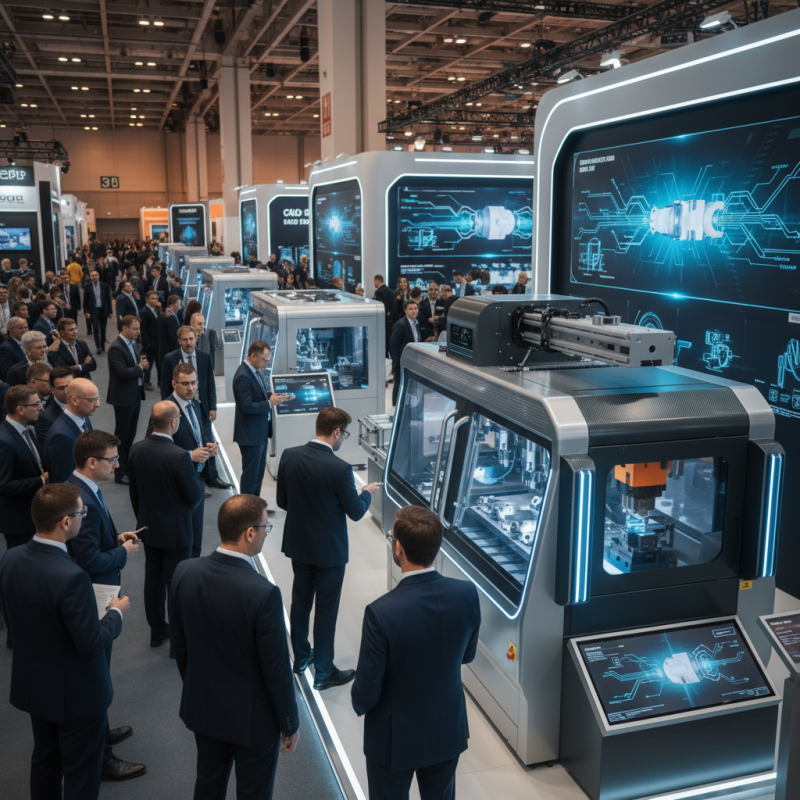
During the event, expect to see some seriously cool tech come into play around cold forging. Companies will probably show off new tools that use AI and smart systems—things that could make production much more precise and cut down on waste. That said, there’s still that tricky balance between embracing automation and keeping that old-school craftsmanship alive. Maintaining top quality while adopting new tech isn’t always straightforward, and companies really need to think about what works best for them.
Another interesting thing to watch out for is the new AI-powered search and navigation tech that’s gonna be featured at the fair. It’s proof that the industry is shifting towards a more adaptable, tech-savvy approach. Being able to quickly find qualified and certified suppliers could be a game-changer. Of course, companies should also pause and consider what these tech upgrades mean for their core values and manufacturing principles. As everything evolves, competition for top-notch quality and dependability in cold forging is only going to heat up.
Overview of Cold Forging Processes and Their Importance
Cold forging is a vital process in metal forming. It enhances the strength of materials while reducing waste. According to industry reports, the global cold forging market is expected to reach $45 billion by 2025. This growth reflects the increasing demand for lightweight, high-strength components across various sectors like automotive and Aerospace.
At the 139th Canton Fair, several innovative trends in cold forging were highlighted. Enhanced automation in production lines is one trend that improves efficiency. Manufacturers are investing in machines that offer precision and speed. Yet, the challenge remains in adapting existing workforce skills to these new technologies. Workers often need retraining to operate advanced systems effectively.
Another noteworthy trend is the emphasis on sustainability. Cold forging minimizes material waste compared to traditional techniques. However, many companies still grapple with energy consumption issues. As the industry pushes for greener practices, this imbalance needs addressing. Overall, while cold forging presents great opportunities, the sector must continuously adapt and improve to fully embrace these advancements.
Emerging Trends in Cold Forging at Trade Fairs
At the 139th Canton Fair, cold forging processes captured significant attention. Many exhibitors showcased advanced techniques that enhance efficiency and reduce waste. Innovations in die design stand out. These new designs help in producing complex shapes with minimal material loss. This shift aligns well with sustainability goals.
Emerging trends included automation in cold forging. Automated systems reduce human error and improve output consistency. This pushes companies to rethink their workforce strategies. Not all companies adapt easily to new technologies. Some still rely on outdated methods, missing opportunities. Furthermore, the integration of data analytics is gaining traction. It offers real-time insights to improve processes. However, many in the industry still struggle with full implementation.
In contrast, Hot Forging Processes continue to evolve. They provide advantages in structural integrity. The combination of cold and hot methods creates new possibilities. Nonetheless, challenges exist in balancing cost and technology. Each technique has its pros and cons. The journey to perfect these processes requires reflection and adaptation.
Technological Innovations Shaping Cold Forging
At the 139th Canton Fair, the cold forging process drew significant attention. Technological innovations were highlighted as key trends in this field. Exhibitors showcased advanced machinery that enhances precision and efficiency. New materials are also being tested. These innovations promise to improve product quality and reduce waste.
However, challenges remain. Many companies struggle to integrate these technologies seamlessly. Training staff on new systems can be time-consuming and costly. Plus, ongoing maintenance of advanced equipment presents a hurdle for some manufacturers. The industry must reflect on these issues. Growth requires adaptability and continuous learning.
Another intriguing topic was the emerging use of the Silica Sol Casting Process alongside cold forging. This method can enhance the surface finish and dimensional accuracy of parts. By exploring synergies between these processes, companies can create stronger, lighter, and more durable components. Yet, the potential for optimizing production is often overlooked. There’s still room for improvement and exploration in this area.
Sustainability Practices in Cold Forging Methods
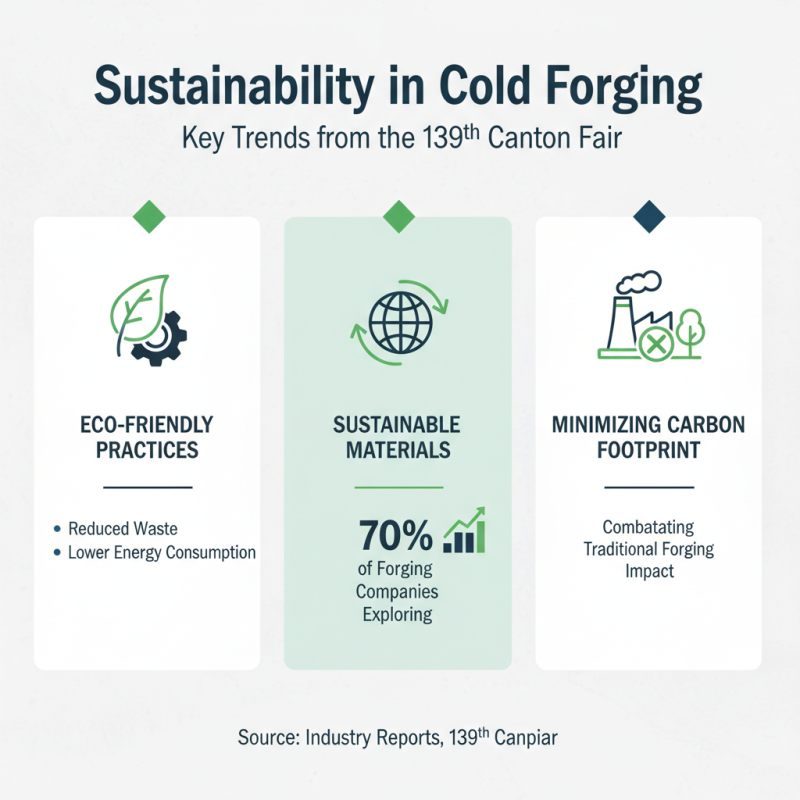
The 139th Canton Fair showcased numerous trends in cold forging, with sustainability at the forefront. Manufacturers are increasingly adopting eco-friendly practices to reduce waste and energy consumption. Data from industry reports indicate that about 70% of forging companies are exploring sustainable materials. This movement helps minimize the carbon footprint associated with traditional forging processes.
Cold forging methods are evolving. Notably, the use of the Water-Glass Casting Process has gained traction. This technique significantly reduces the use of harmful chemicals while enhancing the longevity of molds. Reports show that this method can cut costs by up to 30% while also decreasing the environmental impact. However, not all manufacturers have adopted it yet. Some are still hesitant due to initial investment concerns.
Tips for those considering these practices include evaluating the long-term savings and environmental benefits. Investing in sustainability can lead to greater market competitiveness. Another suggestion is to engage with engineering experts who can provide insights into optimized cold forging practices. This can help navigate the complexities of transitioning to greener methodologies.
Key Players Showcasing Cold Forging at the 139th Canton Fair
The 139th Canton Fair has become a notable platform for cold forging innovations. Key players showcased various techniques that highlight efficiency and precision. The global cold forging market is expected to grow at a CAGR of 5.2% from 2023 to 2028, according to industry reports. This growth indicates a rising demand for better manufacturing processes.
At the fair, many manufacturers demonstrated advanced cold forging methods. These techniques reduce material waste while enhancing strength. Some of these processes focus on automating production lines. Yet, challenges remain in implementing these technologies widely. The capital required for modernization can be a barrier for smaller firms.
It's essential to address the sustainability issues tied to cold forging. While progress is notable, it doesn't always come with environmental consideration. The push for eco-friendly materials is gaining traction. Many exhibitors are seeking ways to balance efficiency with sustainability. Observing these developments raises questions about how the industry can further improve.
Cold Forging Process Trends at the 139th Canton Fair
Market Demand and Future Prospects for Cold Forging
The cold forging industry has been witnessing significant shifts due to rising market demands. Many manufacturers are adapting to these changes by optimizing their processes. For instance, the application of advanced technology is becoming more prevalent. Automation is improving precision, but it still requires human oversight to ensure quality.
It's clear that future prospects for cold forging will be influenced by the need for sustainable practices. The integration of eco-friendly materials is on the rise. Many in the industry are exploring innovative techniques, such as the Pre-Coated Resin Sand Casting Process. This method enhances the durability of products, but its adoption can be slow due to the initial investment required.
Tips: Embracing new methods can seem daunting. It might lead to imperfect outcomes initially. Staying agile in your approach is essential. Regular training for staff will ensure they adapt seamlessly to new processes. Continuous improvement should be the goal, even if it feels overwhelming at times.
Challenges and Solutions in Cold Forging Techniques
The cold forging process is showing notable trends at the 139th Canton Fair. However, it brings unique challenges. Manufacturers face difficulty in precision and tool wear. Maintaining tight tolerances is crucial, yet often problematic. The material's properties can also create uncertainties. For instance, variations in steel can lead to inconsistencies in the final product.
To address these issues, advancements in technology are necessary. New alloys may improve performance and durability. Additionally, more sophisticated machinery can enhance precision. Automation is being explored, yet its integration often faces hurdles. Investments in training are equally important. Skilled workers are essential for optimal results. Workers need to understand the nuances of cold forging better.
Reflecting on past practices reveals gaps in processes. Often, quick fixes overlook long-term effects. Reducing costs may compromise quality, leading to more significant issues later. It's vital to assess not just immediate outcomes but also future implications. Continuous learning and adaptation can transform cold forging techniques, ultimately meeting market demands.
Choosing Between Cold-Forged and Cold-Extruded Mechanical Disks: A Comprehensive Guide to Material Selection and Application
When it comes to selecting the right mechanical disks for industrial applications, understanding the differences between cold-forged and cold-extruded options is crucial. Both processes yield disks characterized by their exceptional durability and strength, yet they cater to different mechanical requirements. Cold-forging involves shaping metal at room temperature, which enhances the material's grain structure and results in improved tensile strength and fatigue resistance. This process is ideal for applications where high strength and reliability are paramount, making it suitable for mechanical assemblies and heavy-duty gear systems.
On the other hand, cold-extrusion is a method that also occurs at lower temperatures but focuses more on producing complex shapes. This technique allows for tighter tolerances and better surface finishes, which are beneficial in scenarios where precision is key. A study by the Materials Research Society indicates that cold-extruded parts can achieve approximately 20% better dimensional accuracy compared to their cold-forged counterparts. As industries push for more efficient, lightweight, and durable components, the choice between these processes can significantly impact performance in high-stress environments, such as automotive applications or machinery operating under rigorous conditions.
Ultimately, the selection process should account for not just the mechanical properties required but also the specific operational demands of the application. Whether opting for cold-forged or cold-extruded disks, understanding their unique attributes and performance characteristics can lead to enhanced efficiency and longevity in mechanical systems.
FAQS
: Significant advancements include new die designs and automation, which enhance efficiency and decrease material waste.
Automation reduces human error and improves output consistency, but not all companies easily adapt to these changes.
Precision in production and tool wear are major challenges, along with variations in material properties that can cause inconsistencies.
New alloys and sophisticated machinery can enhance precision, but integrating new technology may require overcoming various hurdles.
Skilled workers are essential for achieving optimal results, and training helps them understand the complexities of the process.
Companies should reflect on the long-term effects of cost-cutting decisions, which may compromise quality and lead to future issues.
The combination of both methods creates new opportunities, though balancing costs with technology remains a significant challenge.
Data analytics provides real-time insights for process improvement, but full implementation is often a struggle for many in the industry.
Investing in advanced technology and continuous learning can help improve precision and overall cold forging practices.
Companies should consider their past methods and learn from mistakes to ensure sustainable progress in cold forging techniques.
Conclusion
The article delves into the significance of the Cold Forging Process, highlighting its role in modern manufacturing. It outlines emerging trends showcased at the 139th Canton Fair, emphasizing technological innovations that are reshaping the cold forging landscape. Additionally, the article discusses sustainability practices being adopted within this process, reflecting a growing commitment to environmental responsibility.
Furthermore, it identifies key players in the cold forging industry and examines market demand and future prospects. As challenges arise within cold forging techniques, various solutions are proposed to enhance efficiency and product quality. Overall, the insights from the Canton Fair underscore the dynamic evolution of the Cold Forging Process and its vital contribution to the manufacturing sector.